
Remote Learning Expense Cuts Are Reshaping Education — Here’s What You Need to Know
Remote learning expense cuts are hitting students, families, and schools from every direction right now — at the federal, state, and local level.
If you’re trying to minimize your online education costs, here’s a quick breakdown of where the cuts are happening and what you can do:
Quick answers to reduce your remote learning costs:
- Apply for state-wide virtual school programs (like Florida Virtual School) — they’re often free and more financially stable than local district programs
- Check your Pell Grant eligibility now — the maximum award may drop from ~$7,395 to ~$5,710 under proposed federal budget cuts
- Look for local library and community broadband programs before paying for internet access
- Use free, open-source learning tools (Khan Academy, Coursera audits, OpenStax textbooks) to replace paid course materials
- Contact your school’s financial aid office — many have emergency funds that aren’t widely advertised
The scale of change is hard to ignore. The federal 2026 budget proposal alone would eliminate $729 million for adult education and literacy programs, freeze $2.69 billion in Digital Equity Act funding, and slash Pell Grants by nearly $5 billion. At the same time, local school districts are making painful choices. In Leon County, Florida, a virtual school serving 90 students — many of them kids with anxiety, disabilities, or other challenges that made traditional school difficult — was put on the chopping block to save just $459,000. In Idaho, the state House passed a 50% cut to its online learning platform, which serves 1 in 5 rural students.
For young adults already stretching every dollar, these cuts aren’t just policy news. They’re a direct hit to your wallet and your options.
Navigating the Current Landscape of Remote Learning Expense Cuts
When we look at the federal budget for 2026, the term “streamlining” is being used quite a bit. However, for those of us trying to get an education without drowning in debt, these “efficiencies” often look like deep remote learning expense cuts.
The proposed budget calls for a staggering $160 billion reduction in nondefense discretionary spending. For students, the most alarming part is the nearly $5 billion hit to the federal Pell Grant program. If passed, the maximum award would drop to $5,710—a decrease of almost $2,000 from the current maximum. This means more out-of-pocket costs for low-income students who rely on these grants to cover tuition and digital course materials.
Beyond financial aid, the infrastructure that makes remote learning possible is also on the line. The administration has proposed freezing $1.44 billion in formula funding and $1.25 billion in competitive grants under the Digital Equity Act. This isn’t just a number on a spreadsheet; it represents a halt in progress for broadband access and digital skills training. When the government cuts funding for the Tribal Broadband Connectivity Program from $988 million down to a mere $24 million, rural and indigenous communities are essentially being disconnected from the modern classroom.
We are also seeing a massive shift in how workforce development is funded. The proposal suggests consolidating 11 different national programs into a single “Make America Skilled Again” (MASA) grant. While proponents argue this reduces red tape, critics point out that consolidation usually leads to an overall funding drop. In this case, it includes the total elimination of the $729 million allocation for the Adult Education and Family Literacy Act.
At the state level, the situation is just as tense. In Idaho, the Digital Learning Academy (IDLA) is facing a potential 50% budget cut—about $13.4 million. Stakeholders are sounding the alarm because this platform is a lifeline for rural students who need specialized courses to graduate. You can read more about why stakeholders for Idaho’s digital learning platform are speaking out and how the Idaho House passes deep cuts to online school platform to understand the legislative battle currently unfolding.
The Direct Impact of Remote Learning Expense Cuts on Students
So, who is actually feeling the heat? It’s rarely the people making the budget decisions. Instead, the burden falls on low-income families, rural communities, and students with disabilities.
Take the Leon County Virtual School as an example. It serves students who often struggle in traditional “brick-and-mortar” settings—those with severe anxiety, victims of bullying, or students with physical disabilities that make a daily commute impossible. Despite maintaining a 93.5% graduation rate, the school was targeted for closure because it operates at a $500,000 deficit. For the 90 students enrolled, this isn’t just a school closure; it’s the removal of a safe, effective learning environment that was tailored to their needs.
In rural areas, remote learning expense cuts mean the end of specialized electives. If a small school in a rural town only has three students who want to take AP Physics or a dual-credit college course, they can’t afford to hire a full-time teacher for that class. They rely on state-funded digital academies. When those budgets are slashed, those students simply lose the opportunity to get ahead.
For young adults navigating these transitions, we have to become our own best financial advocates. Learning how to manage a tightening budget is no longer optional; it’s a survival skill. If you’re feeling the squeeze, check out our Simple Budgeting Tips for Students to help keep your finances on track while the landscape shifts.
Smart Budgeting to Offset Remote Learning Expense Cuts
While we can’t control federal policy or school board votes, we can control how we respond to them. Offsetting the impact of remote learning expense cuts requires a mix of resourcefulness and proactive planning.
First, we recommend looking into open-source tools. Textbooks are a notorious “hidden cost” of education, but many remote programs are moving toward Open Educational Resources (OER). Websites like OpenStax provide peer-reviewed, professional-grade textbooks for free. Similarly, if your school’s digital literacy program has been cut, platforms like Khan Academy or the audit versions of Coursera courses can help you build those skills without the hefty price tag.
Second, don’t overlook community grants and local resources. Even if federal digital equity funds are frozen, some local libraries and non-profits still have active grants to provide hotspots or refurbished laptops to students in need. It pays to spend an afternoon calling local community centers to see what “under-the-radar” support is available.
Finally, advocacy is a form of financial planning. When we speak up about the importance of these programs, we are protecting our future earning potential. Many organizations are encouraging students to contact their representatives to oppose the $5 billion cut to Pell Grants. Your voice matters, and protecting these funds is the best way to ensure that “saving for college” doesn’t become an impossible dream. To help you find extra room in your current budget for these rising costs, explore our guide on How to Save Money Every Month.
Why Schools are Slashing Digital Budgets
It might seem counterintuitive for schools to cut digital programs in an increasingly tech-driven world. However, the reasons often come down to three main pressures: deficit management, “double-dipping” concerns, and shifting enrollment.
1. Deficit Management and Inflation Many school districts are facing a “perfect storm” of rising operational costs and stagnant state funding. In Florida, for example, the overall education budget decreased by 1.3%, while the cost of things like insurance, utilities, and teacher salaries continues to climb. When a district like Leon County faces a multi-million dollar shortfall, they look for programs that serve the fewest number of students per dollar spent. Unfortunately, specialized virtual schools often fall into this category.
2. The “Double-Dipping” Debate In states like Idaho, some lawmakers have expressed concern over “double-paying” for students. The argument is that if a student is enrolled in a physical school but takes three classes online through a state academy, the state is paying both the local district and the academy for that student’s education. While stakeholders argue that the online course cost (roughly $40) is a fraction of the state funding per enrollment ($445), the “double-dipping” narrative remains a powerful tool for those looking to slash budgets.
3. Enrollment Decline and Voucher Shifts Post-pandemic, many districts have seen a decline in enrollment as students move to charter schools or take advantage of new private school voucher programs. In Florida, voucher expansion is projected to cost nearly $5 billion in FY 2025–26. As students leave the public system, the state funding follows them, leaving the remaining public school programs—including remote learning initiatives—with a smaller piece of the pie.
When schools are forced to make these tough calls, it often leads to a return to “traditional methods” simply because they are perceived as more cost-effective. But as we know, what saves the district money often costs the student more in the long run. Being prepared for these sudden changes is vital, which is why we suggest reading up on Budgeting for Unexpected Expenses.
The Financial Burden of Reduced Educational Access
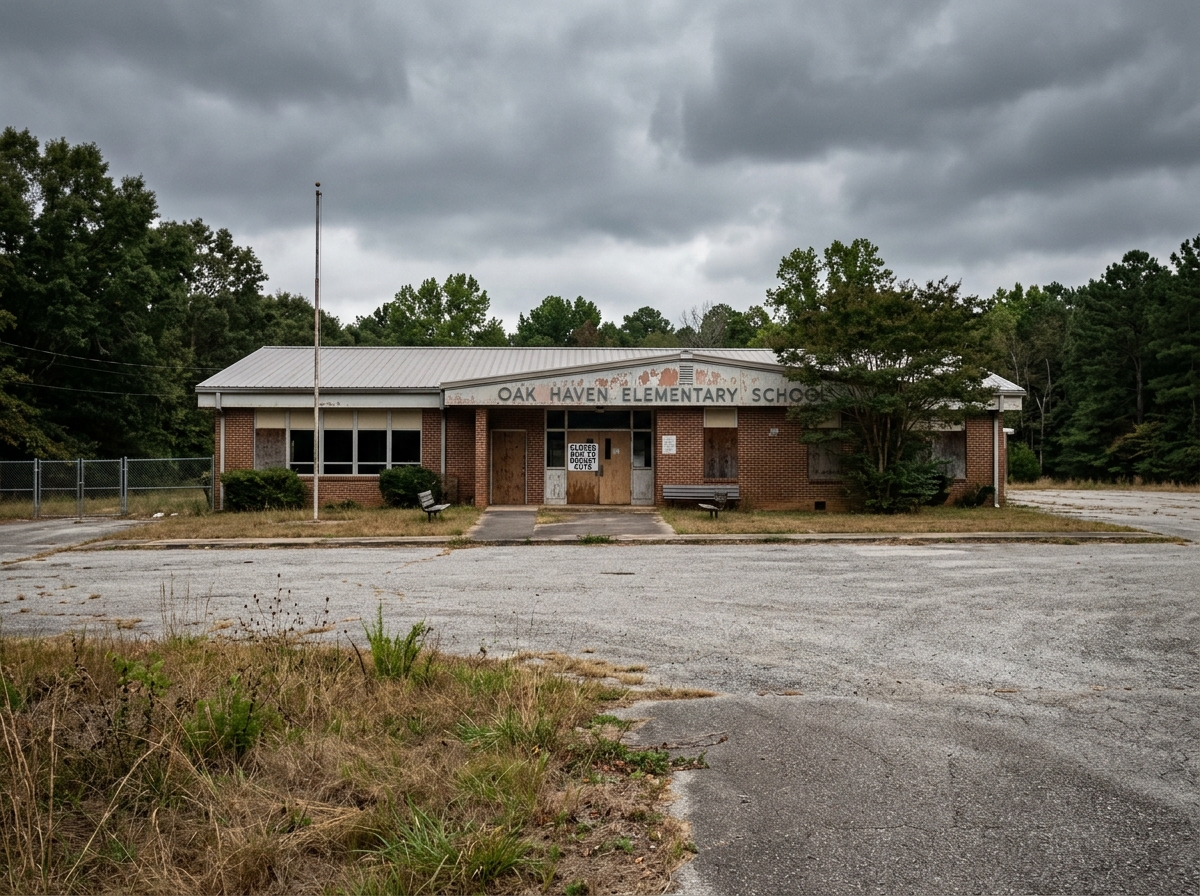
When remote learning expense cuts take hold, the financial burden doesn’t disappear; it just shifts from the government to the individual. This “hidden tax” on education can manifest in several ways that directly impact your wallet.
Out-of-Pocket Fees for Programs As districts cut discretionary spending, they often look at extracurriculars and specialized tech programs. In Leon County, proposed cuts to arts and athletics mean that families may soon have to pay fees for their children to participate in sports or music. For a remote student, this might mean having to pay for their own software licenses or hardware that was previously provided by the school.
The Loss of Workforce Development The elimination of the Adult Education and Family Literacy Act funding is particularly devastating for economic competitiveness. Currently, 23% of working-age adults in the U.S. need to build foundational math or reading skills. When these “on-ramp” programs are cut, it becomes harder for people to access higher-paying jobs in tech or AI. The long-term cost of a less-skilled workforce is far higher than the short-term savings found in a budget cut.
Digital Skills Gap If you don’t have access to high-speed internet or the latest digital tools, you’re at a disadvantage in the job market. The freeze on Digital Equity Act funding means that many communities will remain in “digital deserts.” For a young adult, this could mean spending more money on data plans or commuting to a library just to complete an online certification.
Navigating these financial hurdles can be stressful, but you don’t have to do it alone. We’ve put together some Personal Finance 101: Stress-Free Saving Tips to help you manage the anxiety that comes with rising educational costs.
Proactive Strategies for Students and Families
If your local remote learning program is facing the axe, don’t panic. There are several proactive steps you can take to secure your education without breaking the bank.
Switch to State-Wide Virtual Schools Local district virtual schools are often the first to be cut because they lack the “economies of scale.” However, state-wide platforms like Florida Virtual School (FLVS) or the Idaho Digital Learning Alliance (IDLA) are often more resilient. Because they serve the entire state, their cost-per-student is lower, and they are less likely to be completely eliminated.
Leverage Free Digital Literacy Resources Don’t wait for a school program to teach you the skills you need for the future. Use these free resources to stay competitive:
- Grow with Google: Free training and certificates in data analytics, UX design, and IT support.
- Microsoft Learn: Free modules for mastering software and cloud computing.
- GCFLearnFree.org: Excellent for foundational digital skills, from Microsoft Office to basic coding.
- OpenStax: Free, high-quality textbooks for college and high school courses.
Compare Your Options Before committing to a program, compare the costs. Some “free” programs have hidden fees for technology or “lab materials.”
| Feature | Local District Virtual School | State-Wide Virtual Platform (e.g., FLVS) |
|---|---|---|
| Cost | Usually free, but high risk of closure | Free for residents, highly stable |
| Course Variety | Limited to district resources | Massive catalog (80+ courses) |
| Teacher Access | Local teachers, easier to meet in person | Online-only, but highly specialized |
| Funding Source | Local property taxes & state per-pupil | Direct state legislative funding |
| Flexibility | Often follows district calendar | Often year-round, self-paced |
Frequently Asked Questions about Remote Learning Costs
What specific programs are facing the largest budget cuts?
The largest proposed cuts at the federal level include a nearly $5 billion reduction in Pell Grant funding and a total elimination of the $729 million Adult Education and Family Literacy Act (Title II of WIOA). Additionally, over $2.6 billion in Digital Equity Act and broadband funding is currently frozen or slated for cancellation. Locally, specialized virtual schools and “non-essential” staff like academic interventionists and social workers are often the first to see reductions.
How can I find alternative funding for my digital education?
If federal grants are reduced, look toward “Institutional Aid” from your specific college or university. Many schools have private endowments specifically for students facing financial hardship. Additionally, look for “Employer Tuition Assistance”—many companies (even part-time ones like Starbucks or Amazon) offer to pay for online degrees or certifications for their employees. Finally, check for state-specific scholarships that focus on “high-demand” fields like nursing, teaching, or cybersecurity.
Will these cuts affect my eligibility for Pell Grants?
While the cuts might not change your eligibility (which is based on your financial need), they will likely change the amount you receive. If the proposed 2026 budget is adopted, the maximum Pell Grant could drop by nearly $2,000. This means even if you qualify for the “full” grant, it won’t go nearly as far as it used to. It is more important than ever to fill out your FAFSA as early as possible to ensure you are in the first wave of funding.
Conclusion
At QuickFinHub, we believe that your education is the best investment you’ll ever make. But we also know that remote learning expense cuts are making that investment harder to manage. By staying informed about federal budget shifts and state-level decisions, you can pivot your strategy before the “bill” comes due.
Whether it’s switching to a more stable state-wide virtual school, utilizing open-source textbooks, or advocating for the protection of Pell Grants, you have the power to keep your educational goals on track. The goal of “saving” isn’t just about spending less today; it’s about ensuring you have the skills and resources to earn more tomorrow.
Education is changing, and the way we pay for it has to change too. Stay proactive, stay resourceful, and keep your eyes on the prize. For more tailored advice on navigating life’s big transitions without losing your financial footing, Visit QuickFinHub for more budgeting tips.
