
Why Your 20s Are the Perfect Time for Budget Travel
Budget travel for young adults is one of the smartest moves you can make in your early 20s — and it’s far more achievable than most people think.
Here are the best budget destinations for young adults right now, with realistic daily costs:
| Destination | Daily Budget (USD) | Why It’s Great for Young Adults |
|---|---|---|
| India | ~$15-20 | Ultra-cheap food, transport, and hostels |
| Nepal | ~$20 | World-class trekking on a shoestring |
| Vietnam | ~$25-35 | Street food, beaches, and buzzing cities |
| Indonesia | ~$20-30 | Tropical scenery without the price tag |
| Bolivia | ~$25-30 | South America’s most affordable country |
| Guatemala | ~$25 | Stunning landscapes, low costs |
| Albania | ~$35 | Europe’s hidden beach gem |
| Hungary | ~$30-45 | Rich culture, cheap hostels |
| Poland | ~$25-35 | Historic cities, €3 beers |
Your 20s sit in a unique sweet spot. You have more freedom than ever before — no mortgage, no kids, fewer obligations. But you also don’t have much money yet. That tension is actually what makes this decade ideal for budget travel.
The good news? You don’t need much. In many parts of the world, $30-50 per day covers accommodation, food, and activities. A single restaurant meal in London or New York can cost as much as a full day of travel in Vietnam or Indonesia.
This isn’t about roughing it. Modern hostels are clean, social, and often genuinely fun. Street food in Southeast Asia beats most mid-range restaurants back home. And the experiences — trekking in Nepal, island-hopping in the Philippines, exploring medieval cities in Eastern Europe — are the kind that stay with you for life.
The real barrier isn’t money. It’s knowing where to go and how to stretch what you have.
Top Global Regions for Affordable Adventure
When we look at the world map through the lens of a young adult’s bank account, three regions consistently stand out for offering the most “bang for your buck.” These areas allow you to live well, eat delicious food, and see world-class sights without constantly checking your banking app in a panic.
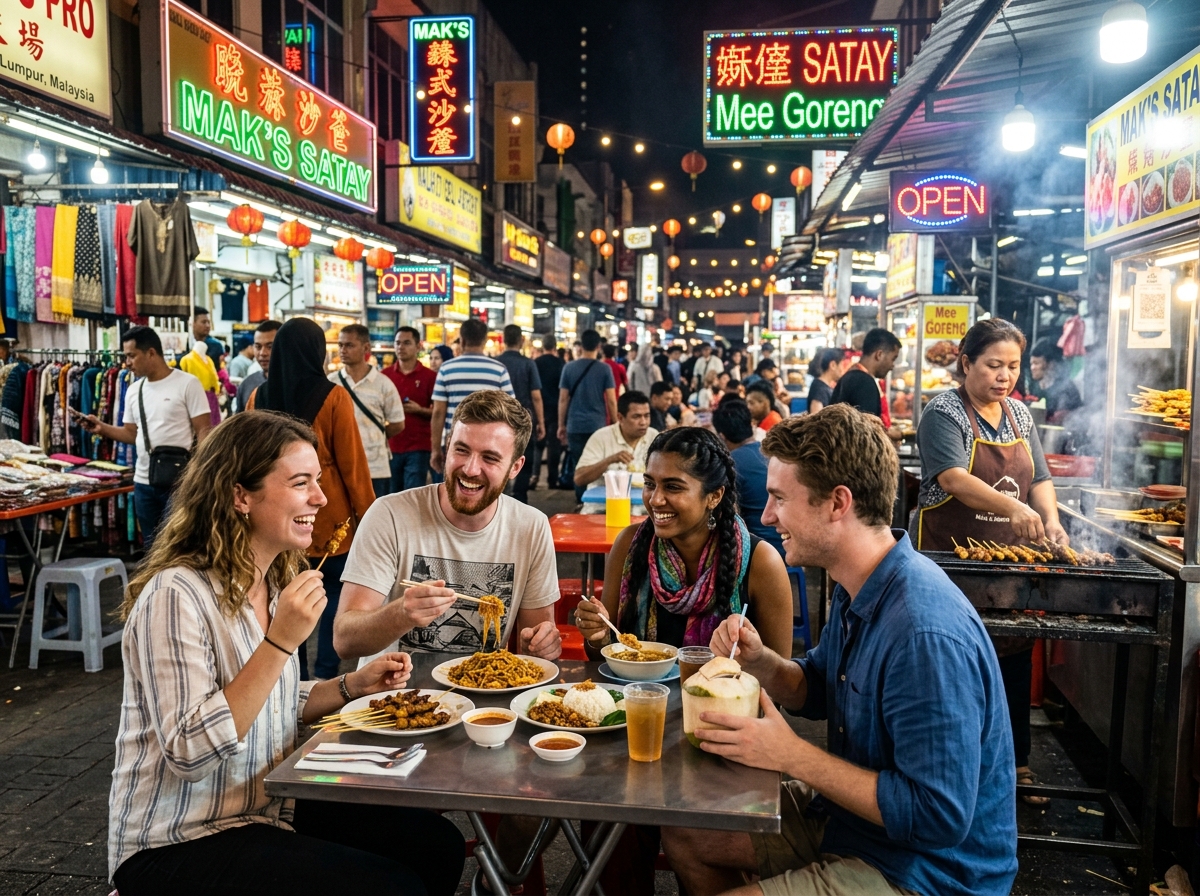
Affordable Gems in Southeast Asia
Southeast Asia is arguably the spiritual home of budget travel for young adults. It’s a region where your money stretches so far it feels like a superpower.
- Vietnam: This is a top-tier destination for affordability. You can find hostel beds for as little as $8–$12, and a bowl of world-class pho on the street might only set you back $1.50. Cities like Da Nang are even becoming hubs for digital nomads because you can rent an entire apartment for around $500 a month.
- Thailand: While some islands have become pricier, northern hubs like Chiang Mai remain incredibly cheap. You can find quality guesthouses with pools for $35 or dorm beds for $6. To save money, head to the night markets for “street meat” and pad thai rather than sitting in tourist-trap restaurants.
- Indonesia: Beyond the crowded parts of Bali, Indonesia is one of the cheapest places on Earth. In places like Sulawesi or Lombok, you can find air-conditioned homestays for $12 a night. Even in Bali, if you eat at local “warungs,” you can have a full meal for $2.
- Philippines: If you love the ocean, this is your spot. While transport between islands can add up, the daily cost of living is low. You can get by on about $20 a day if you stick to local ferries and hostels.
- Cambodia: Home to the stunning Angkor Wat, Cambodia is famously affordable. Backpackers often spend around $25 a day here. Local beers can be as cheap as $0.50, making the social scene very accessible.
Exploring Europe on a Budget for Young Adults
Europe has a reputation for being expensive, but that’s usually because people only look at London, Paris, and Zurich. If you point your compass toward the East and the South, the prices drop dramatically.
- Albania: Often called the “new Croatia,” Albania offers stunning Mediterranean beaches at a fraction of the cost. Hostels are roughly $10–$15, and you can get a massive seafood dinner for under $10. It’s still relatively underexplored, meaning fewer crowds and lower prices.
- Poland: Cities like Krakow are legendary for young travelers. You can get a pint of beer for under $3 and a hearty meal for $5. It’s a perfect mix of deep history and high-energy nightlife.
- Hungary: Budapest is one of the most beautiful cities in the world and remains very affordable. You can enjoy the famous thermal baths for a reasonable fee and spend your nights in “ruin bars” that fit any student budget.
- Czech Republic: While Prague has become more popular, it’s still great value compared to Western Europe. Local beer is often cheaper than water in restaurants, and a daily budget of $50 can provide a very comfortable experience.
For those still in school, we recommend checking out this Budget Travel for Students in Europe: The Ultimate Guide for 2025 – tripfulguide.com. Leveraging student discounts via an ISIC card can save you 20-50% on train tickets and museum entries. Also, consider using night trains; they act as both your transport and your “hostel” for the night, saving you a full night’s accommodation cost.
Budget Travel for Young Adults in Latin America
Latin America offers a “slower, more colorful” pace of life. It’s a region of epic landscapes and deep cultural immersion.
- Bolivia: This is the ultimate budget destination in South America. You can get by on $25 a day. The Salar de Uyuni (salt flats) tours are a rite of passage for backpackers and are surprisingly affordable.
- Colombia: Vibrant and fiery, Colombia is a favorite for its coffee regions and Caribbean coast. Cities like Medellin have great hostel scenes and cheap public transport.
- Guatemala: This country offers a massive “wow factor” for very little money. Many travelers spend under $25 a day while exploring the colonial charm of Antigua or the volcanic beauty of Lake Atitlan.
- Nicaragua: Often called the “budget version of Costa Rica,” it offers similar surfing and volcano hiking at about half the price.
- Mexico: While Tulum has become expensive, regions like Oaxaca, Mexico City, and Bacalar remain affordable. Focus on local markets (mercados) for the best tacos and fresh fruit at local prices.
Essential Strategies for Budget Travel for Young Adults
Traveling on a budget doesn’t mean you have to miss out. It just means you have to be more strategic. By mastering a few “hacks,” you can extend your trip from two weeks to two months.
Work Exchanges and Volunteering
One of the best ways to travel for “free” is to trade a few hours of work for a bed and food. Platforms like Workaway or Worldpackers connect you with hosts—ranging from surf camps in Portugal to organic farms in Ecuador. Not only does this eliminate your biggest expense (accommodation), but it also gives you a deep look into the local culture that a typical tourist never gets.
Smart Saving Before You Go
You can’t travel without a “seed” fund. We’ve put together a guide on Easy Ways to Save for Your Dream Vacation to help you build that initial nest egg. Small habits, like automated savings or cutting back on daily coffee runs, can add up to a plane ticket faster than you think. You can also look into Simple Budgeting Tips for Students if you’re trying to balance school costs with travel dreams.
Master the “Free” Experience
Every major city has a wealth of free activities.
- Free Walking Tours: These are available in almost every European and South American city. They operate on tips, so you pay what you can afford while getting a great intro to the city.
- Picnic over Restaurants: Instead of eating out three times a day, hit a local supermarket (like Lidl or Aldi in Europe) and grab fresh bread, cheese, and fruit. A picnic in a park overlooking the Eiffel Tower or the Vltava River is often more memorable (and 80% cheaper) than a sit-down meal.
- Museum Days: Many world-class museums have “free days” (often the first Sunday of the month) or specific free hours in the evening.
The Power of Group Travel
While solo travel is great for soul-searching, group travel can actually be more budget-friendly. Sharing an Airbnb, splitting a taxi, or getting group rates on tours can slash your costs. Plus, meeting other travelers in hostels often leads to “travel buddies” who you can share expenses with for the next leg of your journey. For a deep dive into planning these routes, see this How to Plan a Budget Europe Trip in 2026 (Complete Guide) | Wandercrafted.
Financial Planning and Safety for Youth Travelers
We know that “financial planning” sounds boring when you’re dreaming of Thai beaches, but a little prep prevents a lot of stress later.
Managing Your Money on the Road
- Fee-Free Cards: Traditional banks often charge a 3% “foreign transaction fee” plus $5 for every ATM withdrawal. Over a month-long trip, you could lose $200 just in fees! Use travel-friendly cards like Revolut, Wise, or specialized “no-fee” accounts to keep that money in your pocket.
- Track Your Spending: It’s easy to lose track of how many $2 beers you’ve bought. We recommend Tracking Daily Spending Effectively using apps like Trail Wallet or even a simple spreadsheet.
- Budgeting Apps: If you’re new to managing your own money, check out our list of Budgeting Apps for Beginners to find a tool that works for you.
Safety and Logistics
- Travel Insurance: This is non-negotiable. An uninsured hospital visit in a foreign country can cost $10,000+. For about $40–$60 a month, you can get coverage that protects your health and your gear.
- Emergency Funds: Always keep a “stash” of emergency cash (about $200) hidden somewhere separate from your wallet—like in a secret pocket of your backpack or a dedicated money belt.
- Visa Requirements: Always check visa rules at least a month before you fly. Some countries, like Bolivia, are scrapping visa fees for certain nationalities in 2026, while others require expensive letters of invitation.
- Digital Backups: Keep digital copies of your passport, insurance, and vaccination records on a secure cloud drive (like Google Drive) and email them to a family member back home.
Frequently Asked Questions about Budget Travel
What is a realistic daily budget for a young adult backpacker?
For a “shoestring” traveler, a realistic daily budget is $30–$50.
- In Southeast Asia or India, you can live quite well on $25–$30.
- In Eastern Europe or Central America, aim for $35–$45.
- In Western Europe or Australia, you’ll need closer to $70–$90 unless you are very strict (cooking all meals and using Couchsurfing).
This budget typically covers a hostel dorm bed, three local meals, public transport, and one “paid” activity (like a museum entry or a cheap tour).
How can I find the cheapest flights and transportation?
The “Golden Rule” is to book your international flights 6–10 weeks in advance.
- Use Comparison Tools: Sites like Skyscanner or Google Flights are essential.
- Be Flexible: Flying on a Tuesday or Wednesday is almost always cheaper than flying on a Friday or Sunday.
- Budget Airlines: In Europe, carriers like Ryanair or Wizz Air can have flights for under $20. Just be careful with luggage; they charge heavily for anything bigger than a small backpack.
- Overnight Transport: Taking an overnight bus or train (like FlixBus in Europe) saves you the cost of a night’s accommodation and gets you to your next destination by sunrise.
Is solo budget travel safe for young adults?
Yes, provided you use common sense.
- Read Hostel Reviews: Look for ratings above 8.5 on sites like Hostelworld. Pay attention to comments about “security” and “lockers.”
- Stay Connected: Get a local SIM card or an eSIM (like Saily) so you always have access to maps and emergency contacts.
- Trust Your Gut: If a situation or a person feels “off,” leave.
- Meet People: Solo travel doesn’t mean being alone. Hostels are designed for meeting people. Joining a “Free Walking Tour” on your first day is the easiest way to find a group of friends to explore with.
Conclusion
At QuickFinHub, we believe that financial literacy isn’t just about saving for retirement—it’s about building the financial freedom to have life-changing experiences while you’re young. Budget travel for young adults is more than just a vacation; it’s a crash course in resourcefulness, cultural empathy, and independence.
By choosing the right destinations and using smart budgeting strategies, you can see the world without draining your future savings. Whether you’re sipping $0.25 beer in Hanoi or hiking the Albanian Alps, the memories you make will be worth far more than the price tag.
Ready to turn your “someday” into “today”? Start planning your dream vacation today and take the first step toward your global adventure!
