
Where Your Paycheck Actually Goes (And How to Fix It)
A zero based budget template is a simple planning tool where you assign every dollar of your income to a specific category — spending, saving, or giving — so your income minus your expenses equals exactly zero.
Here are the best free zero-based budget templates you can use right now:
- Excel (.xlsx) – Download and customize offline with automatic formula calculations
- Google Sheets – Edit online and access from any device, no software needed
- Printable PDF – Print and fill in by hand, great for a pen-and-paper approach
- Budgeting Apps – Digital tools that track spending and sync with your accounts in real time
To use any template: list your monthly income, assign every dollar to a category, and adjust until your remaining balance hits zero.
Does your paycheck land in your account and then just… disappear? You’re not alone. Most people in their 20s have no idea where their money actually goes — not because they’re careless, but because nobody taught them a system.
That’s exactly what zero-based budgeting fixes.
Instead of guessing or tracking spending after the fact, you plan every dollar before the month begins. Every dollar gets a job. Nothing drifts. Nothing gets wasted on stuff you don’t even remember buying.
The math is simple: income minus expenses equals zero. Not because you’re broke — but because every dollar is already working for you.
What is Zero-Based Budgeting and Why It Works
At its core, zero-based budgeting (ZBB) is a method of financial management where your total income minus your total expenses equals exactly zero. This doesn’t mean you have zero dollars in your bank account; rather, it means that every single cent you earn has been “hired” to do a specific task. Whether that task is paying rent, buying groceries, or sitting in a high-yield savings account for a rainy day, the goal is to leave no dollar unallocated.
This method differs significantly from traditional budgeting. In a traditional setup, you might look at what you spent last month and try to spend a little less this month. It’s reactive. Zero-based budgeting is proactive. It forces you to justify every expense from scratch every single month. This approach was famously popularized in the corporate world at Texas Instruments in the 1970s and even used by Jimmy Carter to manage government spending, but it is incredibly effective for personal finance.
For those just starting out, zero-based budgeting for beginners is the ultimate way to build financial discipline. It stops the “leaks” in your bank account—those $10 subscriptions or $5 coffees that add up to hundreds of dollars by month-end. By using a zero based budget template, you gain a level of control that most other methods simply can’t provide.
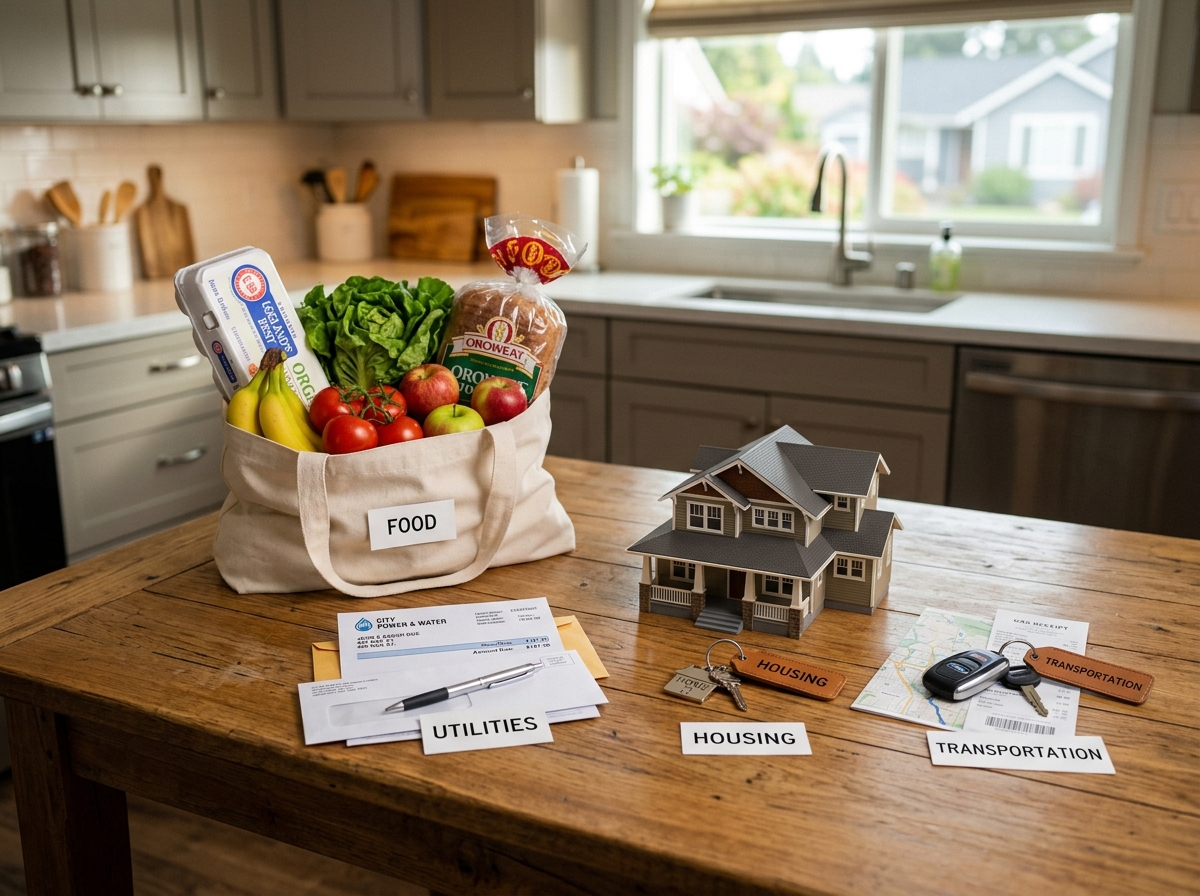
When you sit down to create this budget, we recommend focusing on the “Four Walls” first: Food, Utilities, Housing, and Transportation. These are your non-negotiables. Once these are covered, you can move on to the rest of your financial goals.
The Power of a Zero Based Budget Template
Why use a template instead of just winging it? Because intentionality is the enemy of debt and the best friend of wealth. When you use a structured zero based budget template, you aren’t just tracking spending; you are designing your life.
- Intentional Spending: You decide that “Fun Money” is $100 before you go to the mall, not after you’ve already swiped your card.
- Aggressive Debt Payoff: By seeing exactly how much “leftover” money you have, you can throw every extra cent at your student loans or credit cards.
- Sinking Funds: These are small savings buckets for non-monthly expenses, like an annual car registration or a friend’s wedding. A template helps you divide those big yearly costs by 12 so they don’t surprise you.
If you are ready to stop wondering where your money went, you can Access the Zero-Based Budget Worksheet Template to start giving your dollars their marching orders. Using a tool like this reduces financial stress because you’ve already solved your money problems on paper before they happen in real life.
How to Create Your First Zero-Based Budget
Creating a zero-based budget for the first time might feel like a chore, but we promise it gets easier after the first two or three months. The first step is to identify your total monthly income. This includes your main salary, any side hustles (like driving for a delivery app or freelance work), and even that $20 your grandma sent you for your birthday.
Next, you need to break down your world into expense categories. To get an accurate starting point, you might want to crunch the numbers with a personal monthly budget calculator to see what your average spending looks like.
Here is a list of essential categories to include in your zero based budget template:
- Giving: Tithes or charitable donations.
- Saving: Emergency funds, retirement, or a down payment.
- Housing: Rent/mortgage, insurance, and property taxes.
- Utilities: Electricity, water, internet, and phone.
- Food: Groceries and dining out (keep these separate!).
- Transportation: Gas, car insurance, maintenance, and public transit.
- Personal: Clothing, toiletries, and hair care.
- Health: Insurance premiums, gym memberships, and meds.
- Debt: Student loans, car payments, and credit cards.
- Fun: Movies, hobbies, and “treat yourself” moments.
To make your budget manageable, it helps to distinguish between “Set” (fixed) and “Adjustable” (variable) expenses.
| Expense Type | Description | Examples |
|---|---|---|
| Set Expenses | Costs that stay the same every month. | Rent, Internet, Insurance, Netflix. |
| Adjustable Expenses | Costs you can control or that fluctuate. | Groceries, Gas, Entertainment, Dining out. |
Step-by-Step Guide to Using a Zero Based Budget Template
- List Your Income: Write down every source of cash coming in this month. If you’re a freelancer, use your lowest expected monthly income as a baseline.
- Prioritize Giving and Saving: We believe in “Paying Yourself First.” Before you pay the electric bill, put money toward your future and your community.
- Cover the Essentials: Allocate funds for your Four Walls (Housing, Utilities, Food, Transport).
- Assign Remaining Dollars: This is where the magic happens. If you have $500 left after your bills, don’t just leave it in checking. Assign $300 to debt and $200 to a “Vacation Sinking Fund.”
- Balance to Zero: Keep moving numbers around until your “Total Income” minus “Total Expenses” equals exactly $0.00.
For a smoother experience, check out our easy budget planner for beginners which simplifies these steps into a bite-sized routine.
Choosing the Right Zero Based Budget Template for Your Needs
Not everyone budgets the same way. Some of us love the tactile feel of a pen on paper, while others want a spreadsheet that does the math for them.
- Excel & Google Sheets: These are the gold standard for many. They offer automatic formulas, which means if you change your “Groceries” amount, the “Balance” cell updates instantly. Google Sheets is particularly great for couples because you can both edit the same sheet in real time.
- Printable PDFs: If looking at a screen makes you want to scream, a printable PDF is your best friend. It’s simple, distraction-free, and perfect for keeping on your fridge.
- Digital Apps: These are great for people on the go. They often sync with your bank account to pull in transactions automatically.
Whatever you choose, the best tool is the one you actually use. You can explore more simple tools for budget management to find your perfect match.
Customizing Your Zero Based Budget Template for Irregular Income
One of the biggest myths about zero-based budgeting is that it only works for people with a steady 9-to-5 paycheck. In reality, ZBB is actually better for people with variable income because it forces you to prioritize.
If your income fluctuates, use the lowest month baseline strategy. Look at your bank statements from the last six months and find the smallest amount you earned. Build your “essential” budget based on that number. When you earn more than that baseline, you can “negotiate” with yourself on where that extra money goes—usually toward debt or savings.
Establishing a “paycheck ritual” is also key. Instead of budgeting once a month, budget every time you get paid. This keeps your money goals top-of-mind and prevents that mid-month “where did my money go?” panic. For more on this, dive into our weekly budgeting tips for beginners.
Common Mistakes and Best Practices for Success
Even with a perfect zero based budget template, there are a few traps beginners often fall into.
The Missing Buffer One of the most common mistakes is taking the “zero” too literally in your bank account. While your budget should equal zero, your checking account should not. We recommend keeping a “buffer” of $100–300 in your checking account at all times. This acts as a safety net for small math errors or a bill that hits a day earlier than expected. Think of it as $0 being the new $200.
Forgetting to Track Actuals A budget is just a plan; tracking is the reality. At the end of the month, you must compare what you planned to spend against what you actually spent. If you planned $400 for groceries but spent $550, you need to know why so you can adjust next month.
Neglecting the Future In a zero-based budget, retirement shouldn’t be an afterthought. A common benchmark is allocating 15% of your gross income to retirement accounts. If you’re currently in debt, you might start smaller, but ensure it’s a line item in your template.
To avoid other pitfalls, read up on beginner budgeting mistakes to avoid and learn the secrets to creating a sustainable budget plan that you can actually stick to for the long haul.
Frequently Asked Questions about Zero-Based Budgeting
How does zero-based budgeting differ from the 50/30/20 rule?
The 50/30/20 rule is a “percentage-based” budget (50% needs, 30% wants, 20% savings). It’s a great starting point, but it can be too vague. For example, if you have a lot of debt, 20% for savings/debt might not be aggressive enough. Zero-based budgeting is much more granular. It doesn’t care about percentages; it cares about every single dollar. ZBB is generally better for people who want to get out of debt quickly or who have very specific financial goals.
What are the best apps for zero-based budgeting?
If you prefer a digital-first approach, there are several powerful mobile options designed specifically for the zero-based method. These tools focus on “giving every dollar a job” and offer real-time tracking to help you stay on top of your spending throughout the month. While some have a slight learning curve, they provide incredible visibility into your cash flow. You can see our full breakdown of budgeting apps for beginners here.
How often should I update my zero-based budget?
You should create a brand-new budget every single month. Why? Because no two months are the same. In December, you’ll have Christmas gifts; in August, you might have back-to-school costs; in June, you might have three weddings to attend. A “static” budget fails because life isn’t static. Beyond the monthly reset, we recommend checking in on your transactions at least once a week to ensure you aren’t overspending in your variable categories.
Conclusion
Mastering your cash flow doesn’t require a degree in finance—it just requires a plan. By using a zero based budget template, you take the steering wheel of your financial life. You stop being a victim of your “disappearing” paycheck and start being the boss of your money.
At QuickFinHub, we know that navigating life’s transitions as a young adult is tough. Whether you’re moving into your first apartment, starting a new job, or trying to crush your student loans, we’re here to provide tailored, accessible advice.
Ready to take the next step? Check out our personal finance budgeting tips for young adults or browse through our Category: Budgeting Tips for more deep dives.
Master your money with QuickFinHub and start building the wealthy future you deserve!
