
Why Budgeting for Dummies Is the Secret to Financial Freedom
Budgeting for dummies is simpler than you think — and it starts with five core steps:
- Calculate your net income (take-home pay after taxes)
- List all your expenses (fixed, variable, and occasional)
- Choose a budgeting method that fits your lifestyle
- Track your spending against your plan each month
- Review and adjust regularly as your life changes
That’s really it. Everything else is just detail.
Most people in their 20s manage money the same way — a rough mental tally, a hope that the math works out, and a mild panic at the end of the month. It rarely works.
Here’s the truth: a budget isn’t a punishment. It’s a plan. And plans give you control.
Ask any financially successful person how they got there, and the answer almost always starts with one thing — they made a budget and stuck to it. You don’t need a six-figure salary. You don’t need to be a math genius. You just need a simple system.
Right now, 46% of Americans are planning to save more for emergencies, and 30% are working toward paying off debt in full. If those goals resonate with you, budgeting is the single most powerful tool to get you there.
The good news? It’s a skill. And like any skill, it gets easier with practice.
At QuickFinHub, we believe that financial well-being is the foundation of a happy life. When we don’t know where our money is going, it creates a low-level hum of anxiety that follows us everywhere. By learning the basics of budgeting for dummies, we can silence that noise. Budgeting isn’t just about spreadsheets; it’s about mental health. It’s about knowing that when the car breaks down or an unexpected bill arrives, we have a plan in place.
Building this foundation is the first step toward Creating a Sustainable Budget Plan that grows with us as we navigate our careers and personal lives.
Budgeting for Dummies: Separating Needs from Wants
The biggest hurdle most of us face when starting out is honesty. We like to tell ourselves that a daily $7 latte or a premium streaming subscription is a “need.” To create a budget that actually works, we have to get ruthless with our categorizations.
- Fixed Expenses: These are the “non-negotiables.” They usually cost the same amount every month. Think rent or mortgage, car insurance, and internet. These are the easiest to budget for because they are predictable.
- Variable Expenses: these fluctuate. Groceries, gas, and utilities fall here. You need them, but you have some control over how much you spend.
- Wants and Luxury Items: This is the “fun stuff.” Dining out, concerts, new clothes, and that third subscription service.
- Discretionary Spending: This is what’s left over after the bills are paid.
For many of us, especially if we’re looking for Simple Budgeting Tips for Students, the line between a “need” and a “want” can get blurry. Is high-speed internet a need? For a student or remote worker, yes. Is the top-tier 4K gaming package a need? Probably not. The goal is to ensure our “needs” are covered first so our “wants” don’t lead us into debt.
The Importance of Net Income
Before we can allocate a single dollar, we need to know exactly how many dollars we actually have. This is where many beginners trip up. They look at their gross salary (the big number on the job offer) instead of their net income.
Net income is your “take-home pay.” It’s what hits your bank account after Uncle Sam takes his cut and after deductions for health insurance or retirement contributions are removed. If you are a freelancer or have a side hustle, your income might fluctuate. In that case, we recommend averaging your income over the last 3 to 6 months or, even safer, basing your budget on your lowest-earning month.
Once you have that solid number, you can Crunch the Numbers with a Personal Monthly Budget Calculator to see how much room you really have to play with.
Choosing the Right Budgeting Method for Your Lifestyle
There is no “one-size-fits-all” budget. The best method is the one you will actually stick to. If you love details, you’ll want a different system than someone who wants to “set it and forget it.”
| Method | Best For… | The Core Concept |
|---|---|---|
| 50/30/20 Rule | Beginners who want balance | 50% Needs, 30% Wants, 20% Savings/Debt |
| Zero-Based | People who want total control | Every single dollar is assigned a specific job |
| Envelope System | Overspenders | Use physical cash to limit spending in categories |
| Pay-Yourself-First | Minimalists | Automate savings first, spend the rest freely |
If you’re just starting out, an Easy Budget Planner for Beginners can help you visualize these different paths and decide which one feels most natural for your personality.
Implementing a Zero-Based Budgeting for Dummies Approach
Zero-based budgeting sounds intimidating, but it’s actually the most empowering way to manage money. The goal isn’t to have $0 in your bank account; it’s to ensure that Income – Expenses = $0.
Every dollar you earn is assigned a “job.” If you earn $3,000 this month, you might assign $1,200 to rent, $400 to groceries, $200 to debt, $500 to savings, and so on, until every one of those 3,000 dollars has a destination. This prevents money from “leaking” out of your account on mindless purchases. If you want to dive deeper, we have a full guide on Zero-Based Budgeting for Beginners to help you assign those jobs effectively.
The 50/30/20 Rule and Pay-Yourself-First
If zero-based budgeting feels too restrictive, the 50/30/20 rule is a fantastic alternative. It provides a simple framework:
- 50% for Needs: Housing, utilities, basic groceries.
- 30% for Wants: Hobbies, dining out, “fun” stuff.
- 20% for Financial Priorities: Savings, emergency funds, and debt repayment.
A powerful variation of this is the Pay-Yourself-First model. Instead of waiting until the end of the month to see what’s left for savings, you treat your savings like a bill. You automate a transfer to your savings account the moment your paycheck hits. This is one of the most effective Personal Finance Budgeting Tips for Young Adults because it removes the temptation to spend your “priority” money.
How to Achieve Financial Goals and Build an Emergency Fund
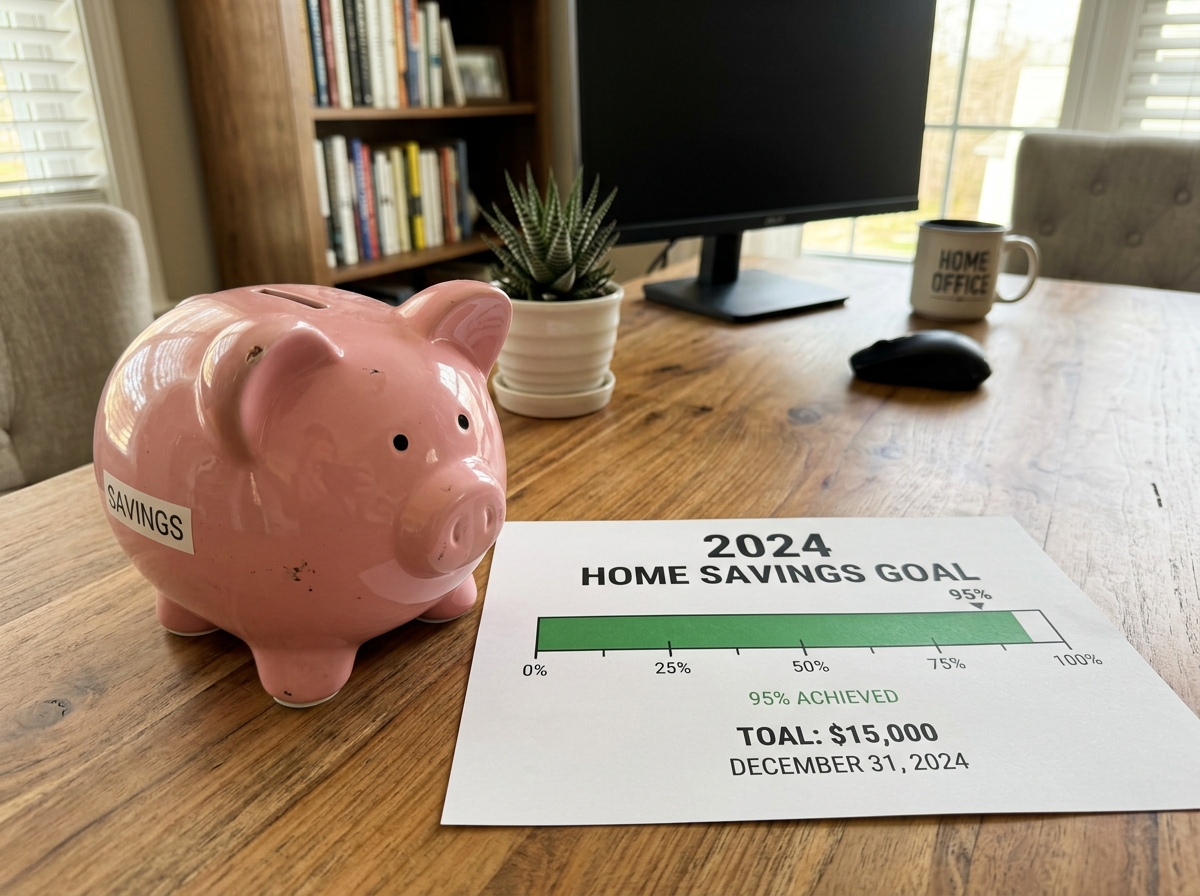
Budgeting is the vehicle, but your goals are the destination. Without a “why,” it’s hard to stay motivated when you’re tempted by a flashy sale.
The first goal we always recommend is building a starter emergency fund. Aim for $1,000 as quickly as possible. This small cushion is often enough to cover a flat tire, a broken phone screen, or a surprise dental bill without reaching for a credit card. Once that’s set, your next major milestone should be building a full emergency fund that covers 3 to 6 months of living expenses.
If you’re wondering how to find that extra cash, check out Budgeting for Savings: Where to Begin for actionable steps on trimming the fat from your current spending.
Tackling Debt and Sinking Funds
Debt can feel like an anchor, but a budget is your pair of scissors. We recommend prioritizing high-interest debt — usually credit cards — because the interest rates can eat your budget alive.
Alongside debt repayment, we love the concept of sinking funds. A sinking fund is just a fancy name for saving a little bit each month for a known future expense.
- Car Maintenance: $50/month so you aren’t shocked by a $600 set of tires.
- Holidays: $100/month starting in January so December isn’t a financial disaster.
- Annual Subscriptions: $10/month for that yearly software or gym fee.
By using Weekly Budgeting Tips for Beginners, you can break these large goals down into manageable bite-sized pieces.
Planning for Unexpected Costs
Life happens. Your laptop will eventually die, or your best friend will announce a destination wedding. These aren’t exactly “emergencies,” but they are “unexpected costs.”
A budget that is too tight will snap the moment one of these occurs. That’s why we build a “safety net” into our plans. By Budgeting for Unexpected Expenses, you create a buffer that allows you to be flexible without derailing your long-term progress.
Tools and Strategies to Actually Stick to Your Plan
The “dummies” secret to success isn’t willpower; it’s systems. We are humans, and we are prone to making impulsive decisions. To stick to a budget, we need to make the right choice the easiest choice.
One of the best ways to do this is through a monthly review. At the end of every month, sit down for 20 minutes. Did you spend more on groceries than you planned? That’s okay! Just adjust the numbers for next month. Your budget is a living document, not a stone tablet.
We also strongly believe in “fun money.” If you try to cut out every single joy in your life, you will eventually “binge spend.” Give yourself a guilt-free allowance every month. If it’s in the budget, you can spend it without a second thought. For more ideas on managing the “how-to” side of things, explore these Simple Tools for Budget Management.
Leveraging Technology and Apps
We live in a digital age, so let’s use it! There are incredible Budgeting Apps for Beginners that can sync with your bank account, categorize your spending automatically, and send you alerts when you’re getting close to your limit.
Automation is your best friend. Automate your bills, automate your savings, and use technology to take the “math” out of the equation. This allows you to focus on the big picture instead of getting bogged down in every $2 transaction.
Avoiding Common Pitfalls and Staying Motivated
Even with the best tools, we all face challenges. One of the most common is lifestyle creep — the tendency to spend more just because we’re earning more. When you get a raise, it’s tempting to upgrade your apartment or buy a newer car. Instead, try to keep your expenses the same and “shovel” that extra income into your savings or debt goals.
Another pitfall is perfectionism. Your first budget is probably going to be, well, a mess. You’ll forget a bill, or you’ll vastly underestimate how much you spend on snacks. That is perfectly normal. Don’t quit because you had one bad month. Learn from the Beginner Budgeting Mistakes to Avoid and just try again next month.
Frequently Asked Questions about Budgeting
How often should I review and adjust my budget?
We recommend a “quick check” every few days to track your spending and a “deep dive” once a month. Quarterly, you should look at your larger goals. Are you saving as much as you hoped? If you have a major life transition — like moving or a new job — you’ll need to do a complete overhaul.
What if my income changes every month?
For those of us with variable income, the “lowest-month baseline” is the safest bet. Calculate what you earn in your worst month and build your “needs” budget around that. In the months where you earn more, use that “bonus” money to fast-track your savings or pay down debt. A “buffer account” (keeping one month’s worth of expenses in your checking) can also help smooth out the lean months.
How can I budget without feeling deprived?
The key is intentional spending. Budgeting isn’t about spending less; it’s about spending better. When you cut back on things you don’t really care about (like a subscription you never use), you free up money for the things you love (like a weekend trip with friends). Check out our Budget-Friendly Lifestyle Tips for ways to enjoy life without breaking the bank.
Conclusion
At QuickFinHub, we know that the journey to financial peace of mind starts with a single, small step. Budgeting for dummies isn’t about being “bad” with money; it’s about being smart enough to realize that a little bit of planning goes a long way.
Consistent practice is better than occasional perfection. Start where you are, use the tools available, and remember that you are in control of your financial future. You’ve got this!
Ready to take the next step? Master your money with QuickFinHub and join a community of young adults taking charge of their financial lives.
